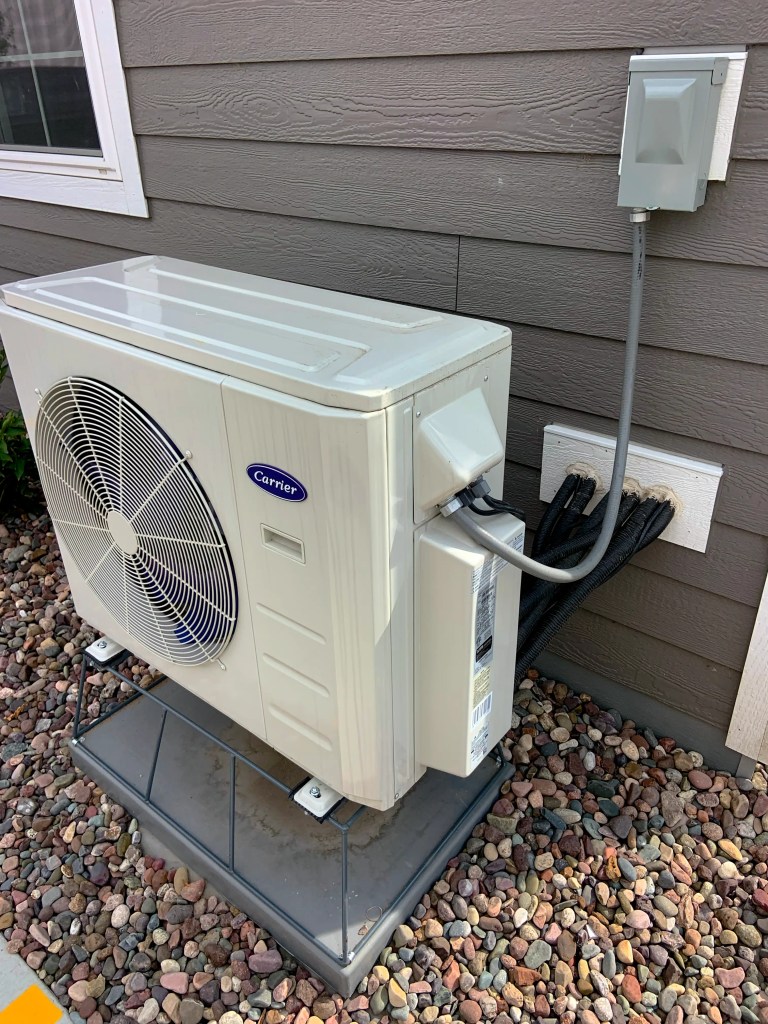
To kick off the blog, I’ll begin by discussing the need to decarbonise heating in the UK. In future posts, I’ll cover the different options available, the pros and cons of heat pumps, alternatives to heat pumps, and various considerations for decarbonising heating in general.
One might ask, why bother with electrifying home heating? After all, gas central heating has been a well-established part of our homes in the UK for quite some time. While we rarely experience the extreme cold seen in places like Canada, parts of the US, and Scandinavia—though some areas in Scotland can get particularly chilly—the average UK home still requires heating for at least four or five months of the year. Ofgem estimates indicate that UK homes consume about 12,000 kWh of natural gas annually for heating and hot water. Around three-quarters of UK homes rely on natural gas for heating—roughly 21 million homes—and natural gas emits approximately 200 grams of CO2 per kWh consumed. This translates to around 50 billion kilograms of CO2 each year from domestic heating alone. With the UK’s per capita emissions averaging around 5,000 kilograms of CO2, domestic heating accounts for about 20% of our individual emissions. Therefore, if we can find a way to heat our homes more efficiently, we could reduce roughly a fifth of our emissions and make a significant contribution towards combating climate change.
It’s not just about emissions; there are many other factors to consider. The cost-of-living crisis, driven by spikes in global oil and gas prices, has highlighted the importance of energy independence. Additionally, UK homes are built with an extensive network of pipes embedded within walls and floors to circulate heat via radiators and underfloor heating. Any decarbonisation efforts must be designed to minimise disruption, as it wouldn’t be feasible to tear out walls and floors to start from scratch. Aesthetic considerations are also crucial—homes need to retain their pleasing appearance, and most existing homes already have some form of heating. This means that, except in new builds or extensive renovations, new heating installations will generally be replacements for existing systems. As such, installation costs and the added value to our homes need to be carefully evaluated. Moreover, when replacing millions of existing systems, we cannot ignore the carbon footprint involved in manufacturing new heating systems, as it adds to the emissions we’re aiming to reduce through decarbonisation.
All in all, there are many aspects to consider, which is why this topic remains so widely discussed and frequently covered in the media.
 Heatopia
Leave a comment